


How to Set CLEAR Behavior Expectations in Kindergarten and First Grade
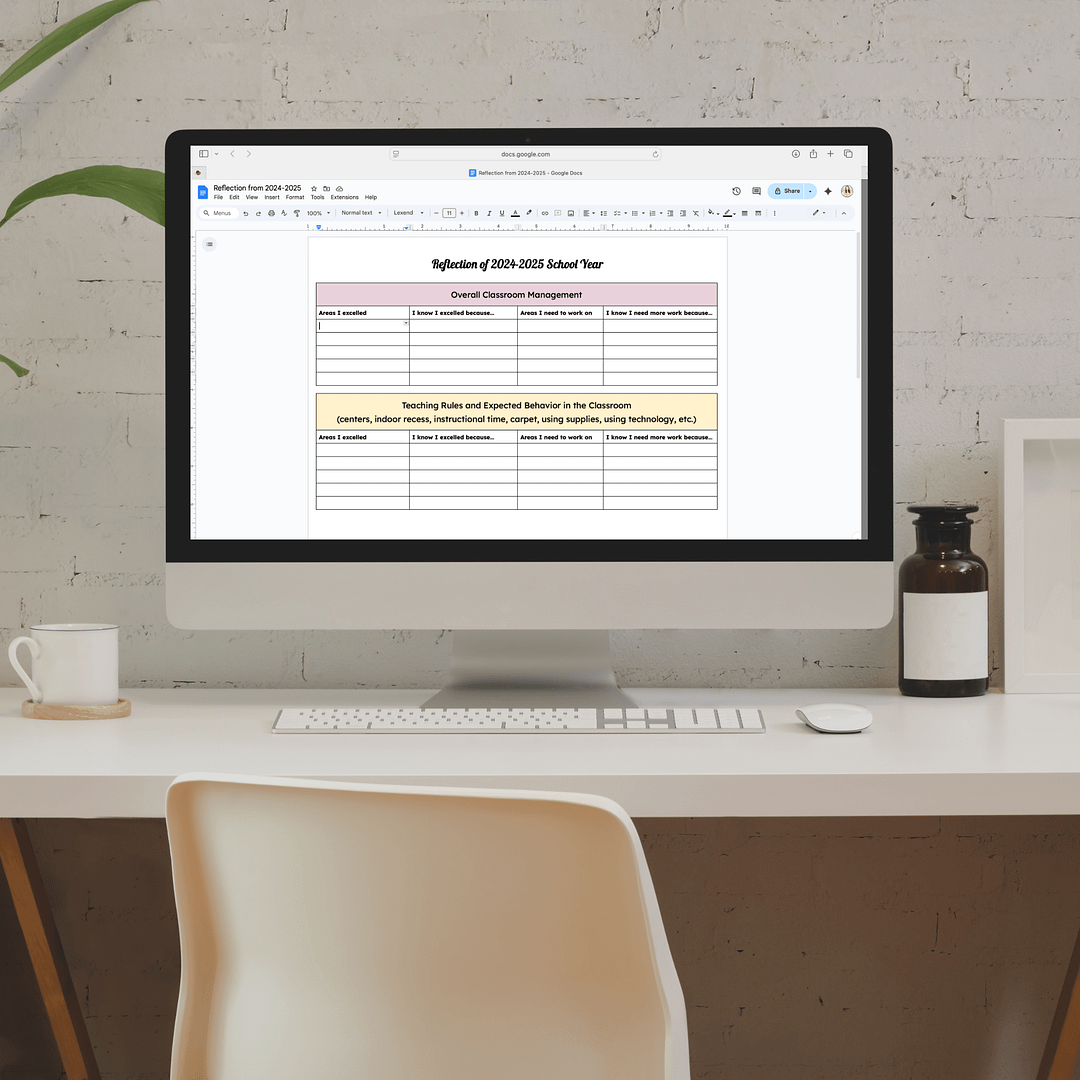
The beginning of the school year is the perfect time to teach students what it looks like and sounds like to make good choices in the classroom. But if you’ve ever tried to explain abstract rules like “Be respectful” to five- and six-year-olds, you know it’s easier said than done. Now, before you plan your lessons for teaching behavior expectations, you need to evaluate how well you taught them last year. Click here to get access to a reflection form. This will help guide how you teach expectations.
When teaching students about setting clear behavior expectations, there are three parts to consider: using visuals, modeling expectations, and providing opportunities for students to practice the desired behaviors. Finally keep this in mind: you have to go slow to go fast. Take more time than you think you need to teach, model, and practice expectations. Spending a lot of time in the beginning of the year to teach expectations will set the tone for the rest of your year and allow your students to succeed.
Using Visuals to Show Examples of Expected Behavior
Kids in kindergarten and first grade are just beginning to grasp the social norms of school life. For many kids, this is their first experience in a school setting. Clear visuals help them:
- Internalize what’s expected
- Make connections between words and actions
- Feel successful by knowing exactly what to do – this one is huge because many students at that age cannot read yet
This Back to School Behavior Expectation Anchor Chart pack is the perfect way to allow your students to visually see examples of good and poor choices for behavior.
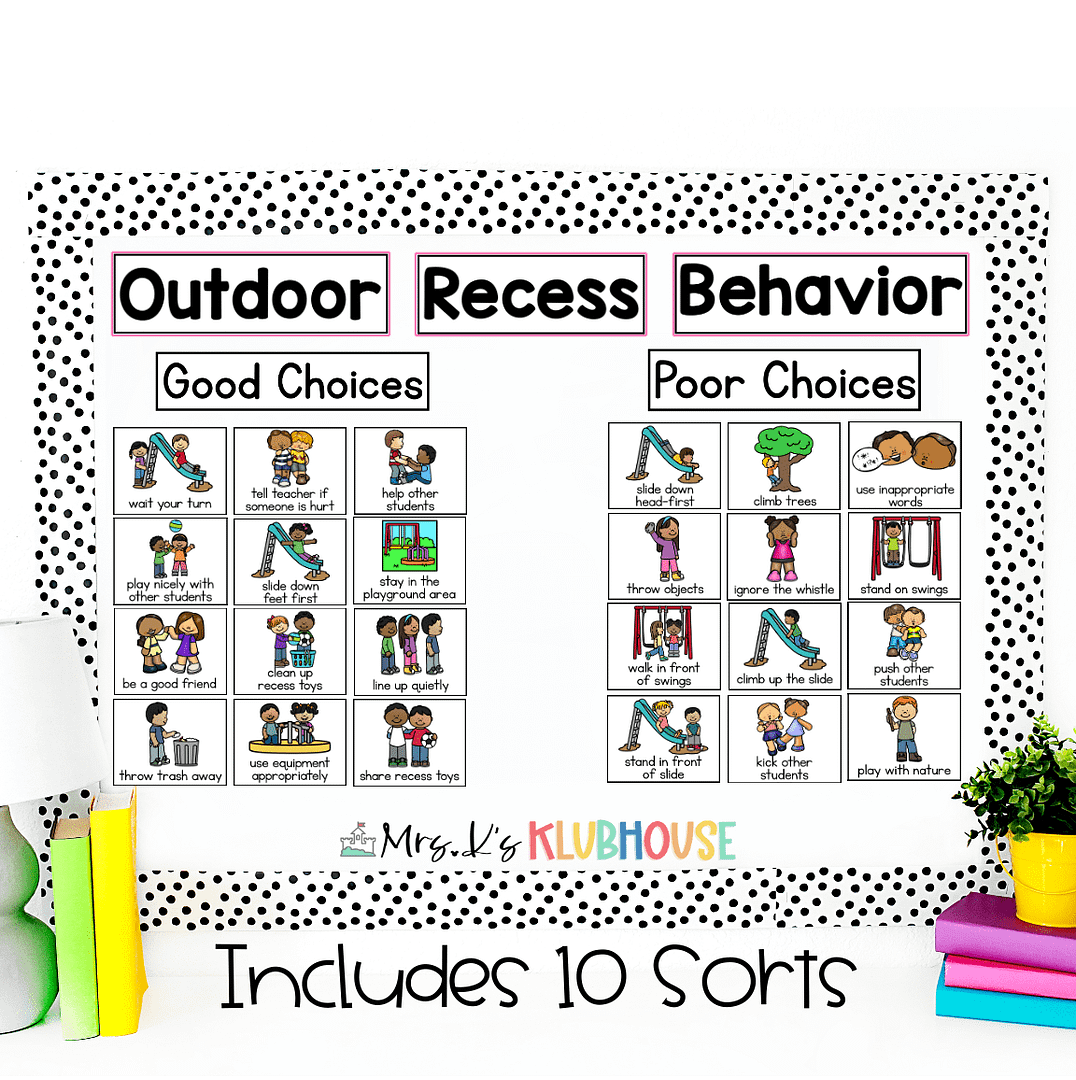
As you complete the anchor chart, have discussions with your students about the specific cards. Ask questions to have them justify their responses:
- “Is this student making a good choice?”
- “Is this student being a good friend?”
- “What tells you that?”
- “What should this student do differently?”
This pack has anchor chart sorts that focus on the following areas:
- Classroom behavior expectations
- Hallway behavior expectations
- Center behavior expectations
- Indoor recess behavior expectations
- Outdoor recess behavior expectations
- Lunch (cafeteria) behavior expectations
- Bus behavior expectations
- Carpet behavior expectations
- Using classroom supplies behavior expectation
- Bathroom behavior expectations
Modeling Behavior Expectations
Allow students to take ownership of good choices and have them act out different scenarios to see what good choices really look (and sound) like. Ways you can include modeling in your lessons:
- While students are seated at their desks/tables, call on a few kids who you will make a good choice. Have those students show the class how they walk to the carpet and sit down on the carpet.
- When introducing centers, have a few students show how they clean up their center, put it away, and then rotate to where they need to go.
- While sitting on the carpet, ask students to show you what to do when they need to get your attention.
Essentially, at first, you want to choose students who you know will be great examples at modeling the expected behavior. Once they have a few good examples modeled, ask a few students who may struggle with that behavior to model. This is a great opportunity for them to practice and to get some positive recognition for making good choices while modeling that behavior expectation.
Providing Many Opportunities to Practice
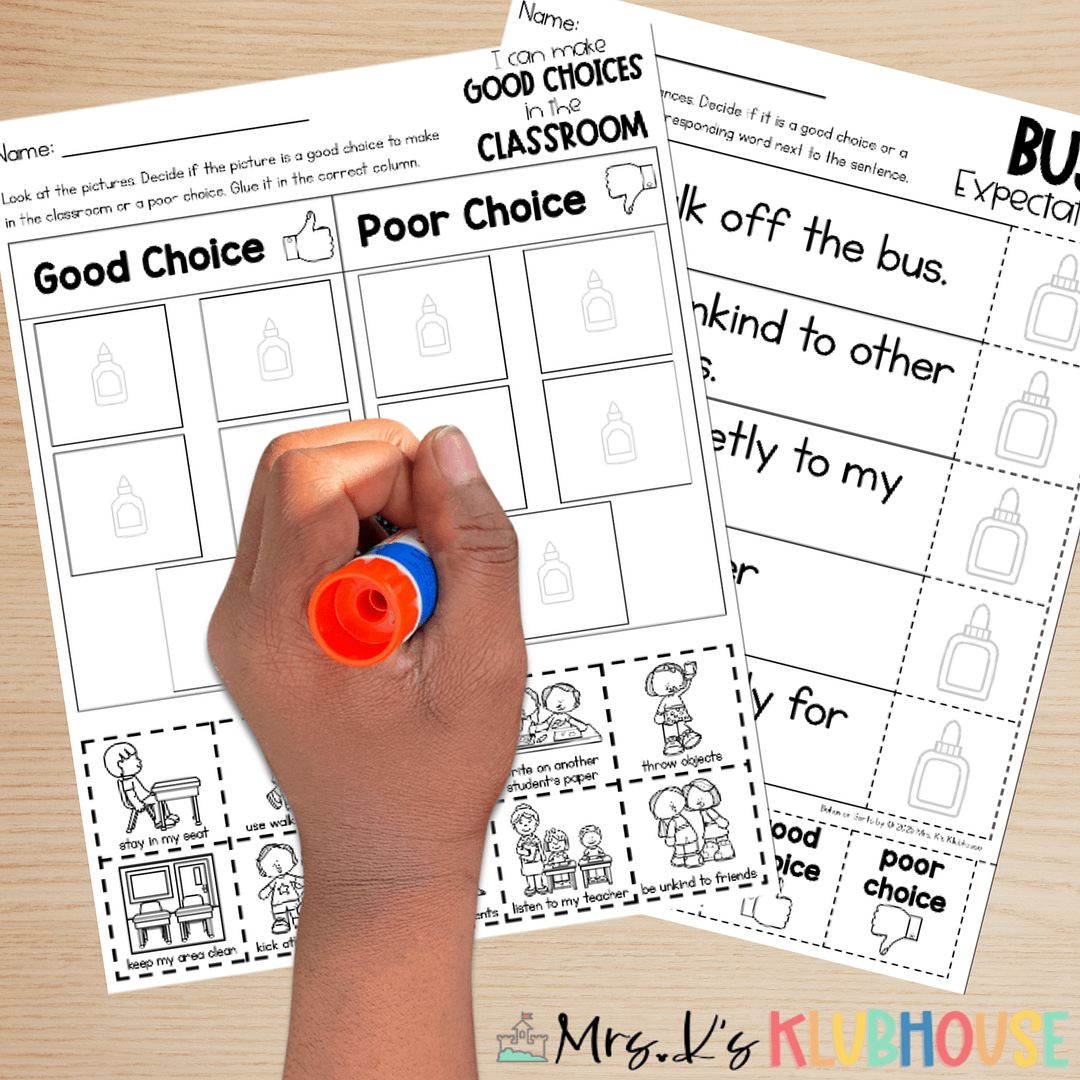
When students are learning about behavior expectations, it is important to give them time to practice and demonstrate that they truly understand if a behavior is a good or bad choice.
Some ways to practice:
- After completing the hallway anchor chart from the anchor chart pack and having students model how to walk quietly to line up, give students the opportunity to practice walking in the hallway. As you walk, give praise to students as they keep their hands to themselves, keep their eyes forward, etc.
- When practicing using supplies the correct way, have students practice putting their marker cap on their marker so they don’t lose it. When they are done, have them practice listening for the “click” when the cap is put back on their marker.
Display the Anchor Charts and Reinforce Behaviors
Keep the anchor charts up all year long, or in a convenient place as visual reminders. You can also return to them for reteaching moments after long weekends, holidays, or anytime your class needs a reset.
If you want to make your own anchor chart using your specific rules in different areas of the classroom/school, you can use the card pieces and right your own steps.
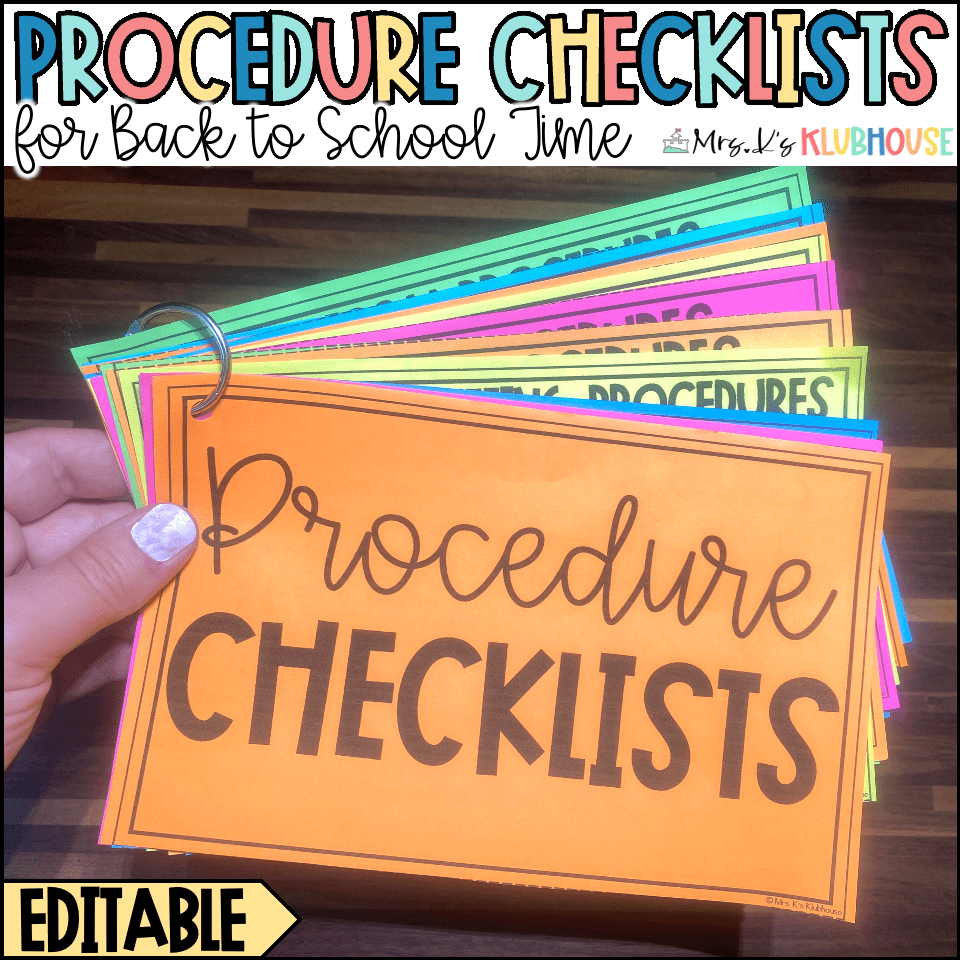
To ensure that you have covered teaching procedures in your school, check out this resource that you can hang up in your room. You can also read this blog post about morning procedures you need to consider teaching in your classroom.
I hope this blog post helps you navigate teaching behaviors during back to school time. You’ve got this!
💜 Anna


